Why Packing Tape Lifts Off Boxes, and When Hybrid Tape Fixes It
Key Takeaway
Tape lifting on recycled or cold boxes? See how hybrid adhesive tape like SBT840 compares with acrylic and solvent rubber tape, and when it is worth it.
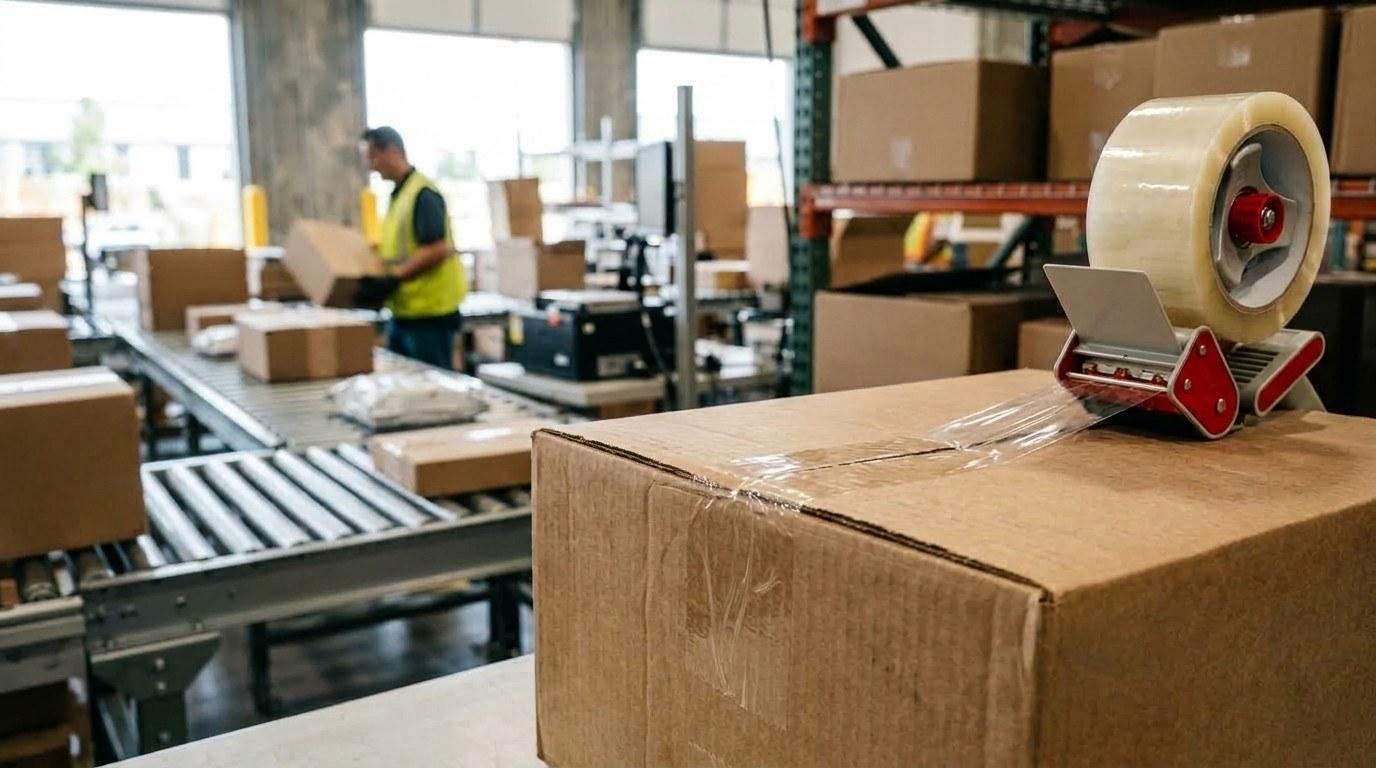
We have all seen it. A box leaves the packing station perfectly sealed. By the time it reaches the delivery van, one flap is standing straight up and the tape is curled back like a dead leaf.
Touch the adhesive and it's still sticky. The tape isn't broken. It just never properly grabbed the box in the first place.
Everyone blames the tape. More often, the real culprit is the cardboard. Most boxes today are made from recycled board, which is good news for the planet and bad news for standard adhesives. If your parcels are popping open in transit, or your team is packing in a cold loading bay this winter, here's why standard tape lets you down, and when it's actually worth switching to a hybrid tape like SB Tape Group's SBT840.
Short answer
If tape lifts on recycled boxes, or on boxes packed somewhere cold, a hybrid adhesive tape grabs faster than standard acrylic tape and ages better than solvent rubber tape. If your boxes seal fine today, you don't need it.
The recycled box trap
Traditional virgin kraft board is made from long, dense wood fibres that lie flat. It gives tape a smooth, firm surface to hold on to.
Recycled testliner is a different animal. It has been pulped more than once, so the fibres are short and broken, and the surface carries a fine layer of loose dust and fluff. Some liners are also treated with starch for strength.
When you roll standard tape over a recycled box, part of the glue never reaches the fibres. It lands on that dust instead. The moment the box flexes, the dust layer gives way. If you've ever peeled back a failed strip and found it coated in brown fuzz while the box underneath looks untouched, you've met the recycled box trap.
| Surface | What the adhesive meets | Typical result |
|---|---|---|
| Virgin kraft liner | Long, dense fibres; a firm surface | Most tapes hold well |
| Recycled testliner | Short fibres, loose dust, sometimes starch | Tape can lift with fibre on its back |
Where standard tapes let you down
Most warehouses default to one of two polypropylene tapes. We stock both in our 48 mm tapes range, and both have a weak spot.
- Water-based acrylic. Cheap, quiet off the roll and slow to yellow. The catch is the first few seconds: it needs firm pressure to build its bond, and it grabs much less on dusty or cold boxes.
- Solvent natural rubber. Grabs instantly and copes well with cold boxes. The catch is ageing: left in a hot container or near a sunny window, the adhesive can yellow and lose strength over the months.
Hybrid adhesives exist to bridge that gap: the quick grab of rubber with the longer life of acrylic. SB Tape Group describes SBT840 as the "best alternative to solvent rubber OPP tape" and says it works "especially well on challenging recycled corrugate and fiberboard".
What SBT840 actually specifies
These are the figures on the manufacturer's product page. The page doesn't name the test methods behind them, so if you're comparing tapes side by side, ask for the full technical data sheet and compare like for like.
| Property | SBT840 (manufacturer data) | What it tells you |
|---|---|---|
| Film | BOPP, hybrid acrylic copolymer adhesive | Standard polypropylene backing, different glue |
| Peel adhesion | > 5.5 to > 9.0 N/25 mm | How hard it resists being pulled off |
| Ball tack | #14 (< 30) | How quickly it grabs on light contact |
| Tensile strength | > 60 to > 100 N/25 mm | How much pull the tape takes before it snaps |
| Holding power | > 25 hours | How long it holds under a constant load (flaps pushing up) |
| Elongation | > 80 to > 110 % | How much it stretches before breaking |
| Application temperature | -15 to 60 °C | The range it can be applied in |
Several figures are given as ranges rather than single values. The data sheet should show which variant gives which figure, so check the exact one you're ordering.
When is hybrid tape actually worth the money?
Let's be blunt: if your boxes seal fine right now and your packing area is at room temperature, you don't need this tape. Keep your money. But if any of these sound familiar, a hybrid will save you a lot of re-taping.
You pack in the cold
Acrylic tape on a cold box can look fine for a few seconds, then lift once the box is moved. If your loading bay drops below about 5 °C in winter, or you pack into chilled storage, a tape rated for application down to -15 °C takes the guesswork out.
Your case sealer keeps rejecting boxes
An automatic case taper gives the tape a split-second press under a roller. That's exactly where acrylic is weakest, because it needs pressure and time to build its bond. A faster-grabbing adhesive means fewer boxes pulled off the line for re-taping. The manufacturer lists auto carton sealer lines as a main use and also sells jumbo rolls (1280 and 1610 mm wide) for converters.
You pack heavy or overfilled boxes
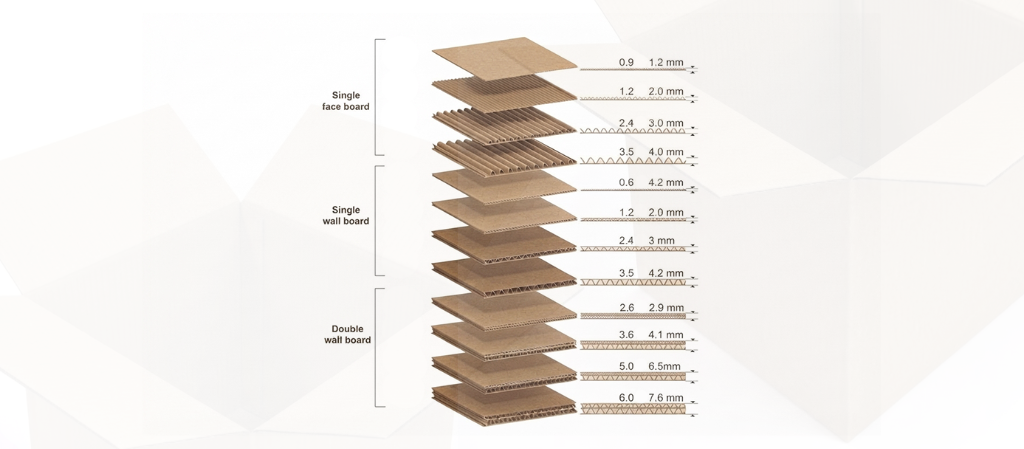
When a box is bursting at the seams, the flaps push against the tape for the whole journey. That constant load is what holding power measures. For really heavy loads, pair a strong tape with double wall boxes, so the board doesn't become the weak point instead.
Warehouse or small shop: what changes
| High-volume warehouse | Small online shop | |
|---|---|---|
| Main gain | Fewer rejects on the case sealer, fewer re-tapes | One strip holds, so fewer extra strips per box |
| Cold | Reliable seals in chilled stores and winter docks | Parcels packed in a cold garage or unit still hold |
| What to check | Roll width and core size for your sealer | Whether you actually have a lifting problem first |
The quick verdict
- Go hybrid if tape lifts on recycled boxes, you pack in the cold, or your case sealer keeps rejecting boxes. We can source it to order.
- Go solvent rubber if you need a fast grab and cold performance, and your boxes don't sit in heat or sunlight for long.
- Stick with water-based acrylic if your packing area is warm, your boxes are clean and keeping costs low matters most.
- Choose paper tape if you'd rather avoid plastic, so your customer can put the whole box in the recycling.
Need a hybrid adhesive tape?
Hybrid tapes like SBT840 aren't in our online range yet, but we can source them to order in finished rolls or jumbo rolls. Get in touch with the width, length and quantity you need and we'll come back with a price.
Questions we get asked
What is hybrid packaging tape?
It's polypropylene packing tape with a hybrid acrylic copolymer adhesive. The idea is the quick grab of solvent rubber tape with the ageing resistance of acrylic tape. It suits recycled boxes, cold packing areas and automatic case sealers, where standard acrylic tape can lift.
Why does tape come off recycled boxes?
Recycled board has shorter fibres and more loose dust on its surface. Part of the adhesive sticks to that dust instead of the fibres, so under stress the dust layer gives way. You'll see tape that peels off with fluff on its back while the box looks clean.
Which tape works best in the cold?
Solvent natural rubber and hybrid adhesive tapes both grab in the cold, while water-based acrylic struggles on a cold box. SBT840 is rated for application from -15 to 60 °C. For chilled stores or winter loading bays, pick one of those two over acrylic.
Do I need special tape for a case sealer?
Most standard tapes will run on a case sealer, but the machine only gives the tape a brief press. A tape with a fast initial grab, such as solvent rubber or a hybrid adhesive, seals more reliably at speed. Check the roll width and core size your machine takes.
Ready to order packaging featured in this guide?
Explore full sizing specs, volume discount tiers, and instant pallet pricing in our live catalog matrix.
Related Technical Guides
Boxes vs Mailing Bags vs Padded Bags: Which to Use
Single vs Double Wall Boxes: How to Choose
How to Ship Clothes: Mailing Bags and Grip Seal Bags