Moving House Checklist: How to Pack Room by Room
Key Takeaway
A week-by-week moving house checklist, the packing supplies you need, the best boxes for moving, and how to pack glasses, plates and furniture.
Moving house goes far more smoothly with a plan and the right packing supplies. This moving house checklist takes you from eight weeks before the move to moving day, then covers how to pack each room, including the awkward jobs like glasses, plates and furniture.
Short answer
Start packing rooms you use least about four weeks before moving day. Use strong double wall boxes, put heavy items in small boxes and light items in large ones, wrap every fragile item individually, and label each box with its room and contents.
Moving house checklist
8 weeks before
- Book your removal company or van hire.
- Walk through every room and decide what to sell, donate or throw away. Less to move means fewer boxes.
- Measure large furniture and check it will fit through the doors at the new home.
4 to 6 weeks before
- Order packing supplies: boxes, bubble wrap, tape and fragile tape (see the list below).
- Start packing rooms you use least: loft, garage, spare room and out-of-season clothes.
- Set up mail redirection and start telling your bank, employer, GP, dentist and utility companies your new address.
2 weeks before
- Pack books, ornaments, pictures and anything you will not need before the move.
- Update your address with the council, DVLA, HMRC and the electoral register.
- Arrange final meter readings for gas, electricity and water.
1 week before
- Pack most of the kitchen, keeping one box of essentials for the first days.
- Take apart flat-pack furniture, and bag and label the screws.
- Defrost the freezer if it is moving with you.
The day before and moving day
- Pack an open-first box: kettle, mugs, snacks, phone chargers, toilet roll, basic tools, bedding and a change of clothes.
- Keep documents, keys, medication and valuables with you, not in the van.
- Take meter readings and photos of the empty property before you leave.
Packing supplies for moving house
| Supply | What it is for |
|---|---|
| Double wall boxes | Strong removal boxes that survive stacking in a van |
| Small bubble wrap | Glasses, plates, ornaments and electronics |
| Large bubble wrap | Furniture corners, mirrors, pictures and appliances |
| Packing tape (48mm) or 75mm tape | Sealing every box top and bottom |
| Fragile tape | Marking boxes of breakables |
| Jiffy foam | Scratch protection on polished furniture |
| Stretch film | Holding drawers and doors shut, bundling items |
| Large polythene bags | Keeping bedding, cushions and clothes clean and dry |
| Grip seal bags | Screws, fittings and small parts from flat-pack furniture |
Best boxes for moving house
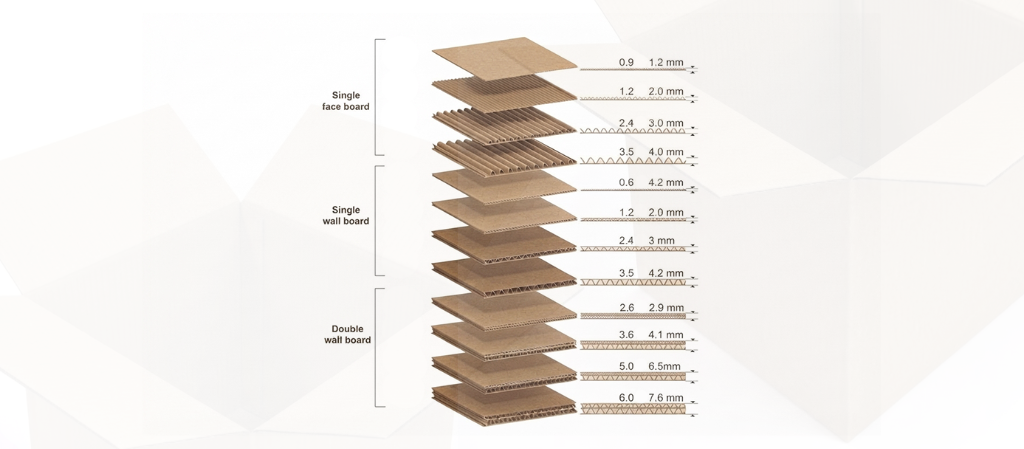
Use double wall boxes for a house move. Two layers of corrugated board make them much stiffer than single wall boxes, so they hold their shape when stacked in a van. The golden rule is heavy items in small boxes, light items in large ones, so no box becomes too heavy to lift safely:
| What you are packing | Box to use | Internal size (mm) |
|---|---|---|
| Books, tins, tools and other heavy items | Small double wall box | 305 × 229 × 229 (12 × 9 × 9 in) |
| Kitchen items, plates and glasses | Small to medium double wall box | 305 × 305 × 305 (12 × 12 × 12 in) |
| General household items | Medium double wall box | 457 × 305 × 305 (18 × 12 × 12 in) |
| Bedding, cushions, lampshades and other light, bulky items | Large double wall box | 610 × 457 × 457 (24 × 18 × 18 in) |
See every size in our double wall boxes range.
How to pack for moving house
- Pack one room at a time and keep its boxes together.
- Line the bottom of each box with a layer of bubble wrap or scrunched paper.
- Heavy items at the bottom, lighter items on top.
- Fill every gap with loose fill or paper so nothing moves when the box is lifted.
- Seal with an H pattern of tape: along the centre seam and across both edges, top and bottom.
- Label two sides with the room and a short list of contents, so you can read it when boxes are stacked.
How to pack glasses for moving
- Line a small, strong box with bubble wrap.
- Wrap each glass on its own in small bubble wrap, and fill the inside of each glass with a little paper.
- Stand glasses upright, rim side up, with no glass touching another.
- Fill all gaps, add a layer of bubble wrap on top, seal the box and mark it with fragile tape.
How to pack plates for moving
- Use a small double wall box and cushion the bottom.
- Wrap each plate individually in small bubble wrap.
- Stand plates on their edge, like records in a rack, not flat in a stack. On edge they are much less likely to crack.
- Pack them tightly so they cannot slide, fill gaps, cushion the top and mark the box fragile.
How to protect furniture for a move
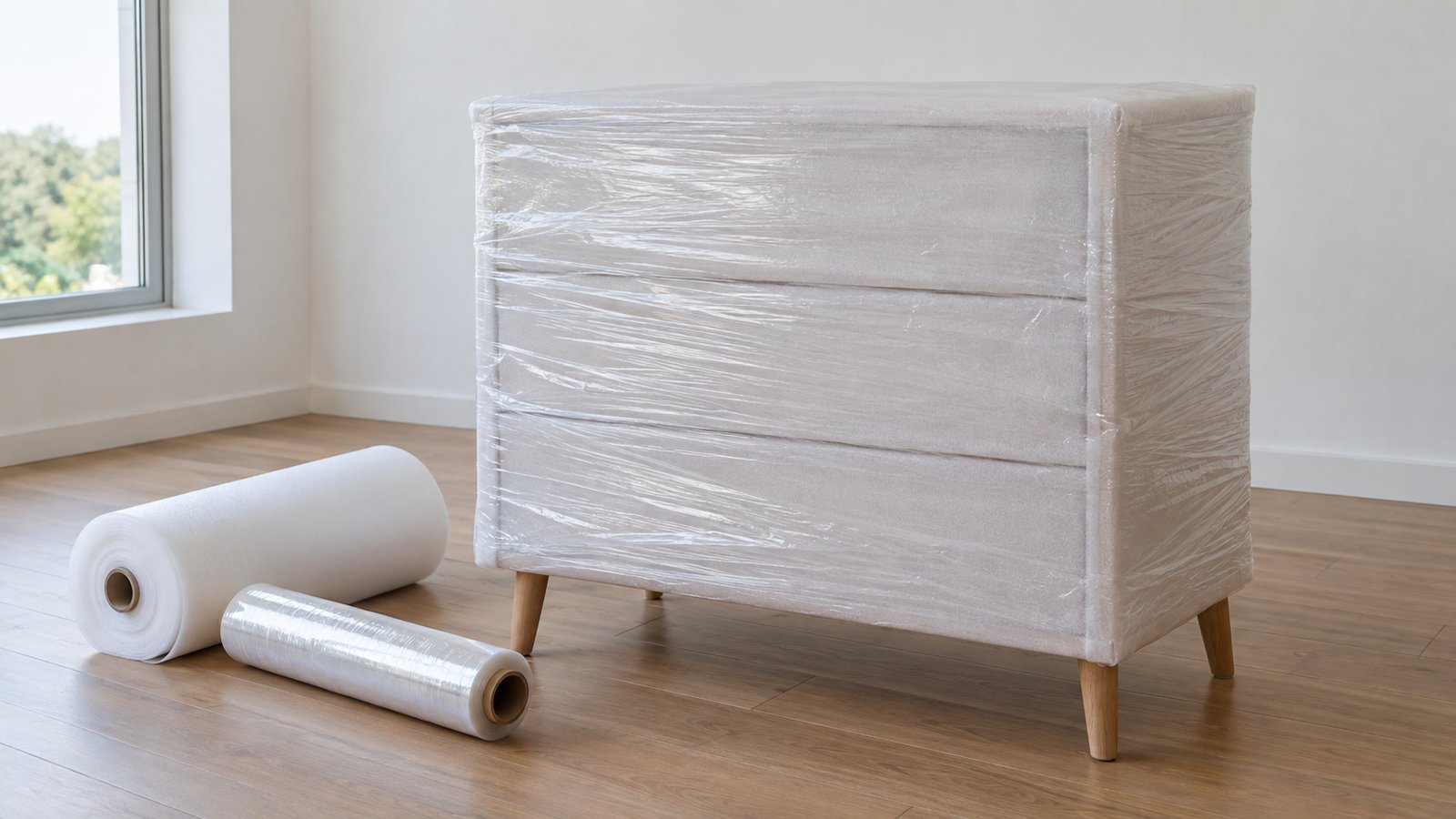
- Wrap polished and painted surfaces in Jiffy foam first to prevent scratches.
- Add large bubble wrap over corners, legs and glass.
- Use stretch film to hold drawers and doors shut, and to wrap the bubble wrap in place. Keep film off bare wood and leather.
- Put pillows, bedding and sofa cushions in large polythene bags to keep them clean and dry.
Frequently asked questions
When should I start packing to move house?
About four to six weeks before moving day, starting with rooms and items you use least.
What boxes are best for moving house?
Double wall cardboard boxes. They are stronger and stack better than single wall boxes. Use small boxes for heavy items and large boxes for light, bulky items.
How do you pack glasses for moving?
Wrap each glass individually in bubble wrap, stand them upright in a small cushioned box without touching, fill the gaps and mark the box fragile.
How do you pack plates for moving?
Wrap each plate in bubble wrap and stand them on their edges in a small, cushioned double wall box, packed tightly so they cannot move.
Ready to order packaging featured in this guide?
Explore full sizing specs, volume discount tiers, and instant pallet pricing in our live catalog matrix.
Related Technical Guides
Boxes vs Mailing Bags vs Padded Bags: Which to Use
Single vs Double Wall Boxes: How to Choose
How to Ship Clothes: Mailing Bags and Grip Seal Bags