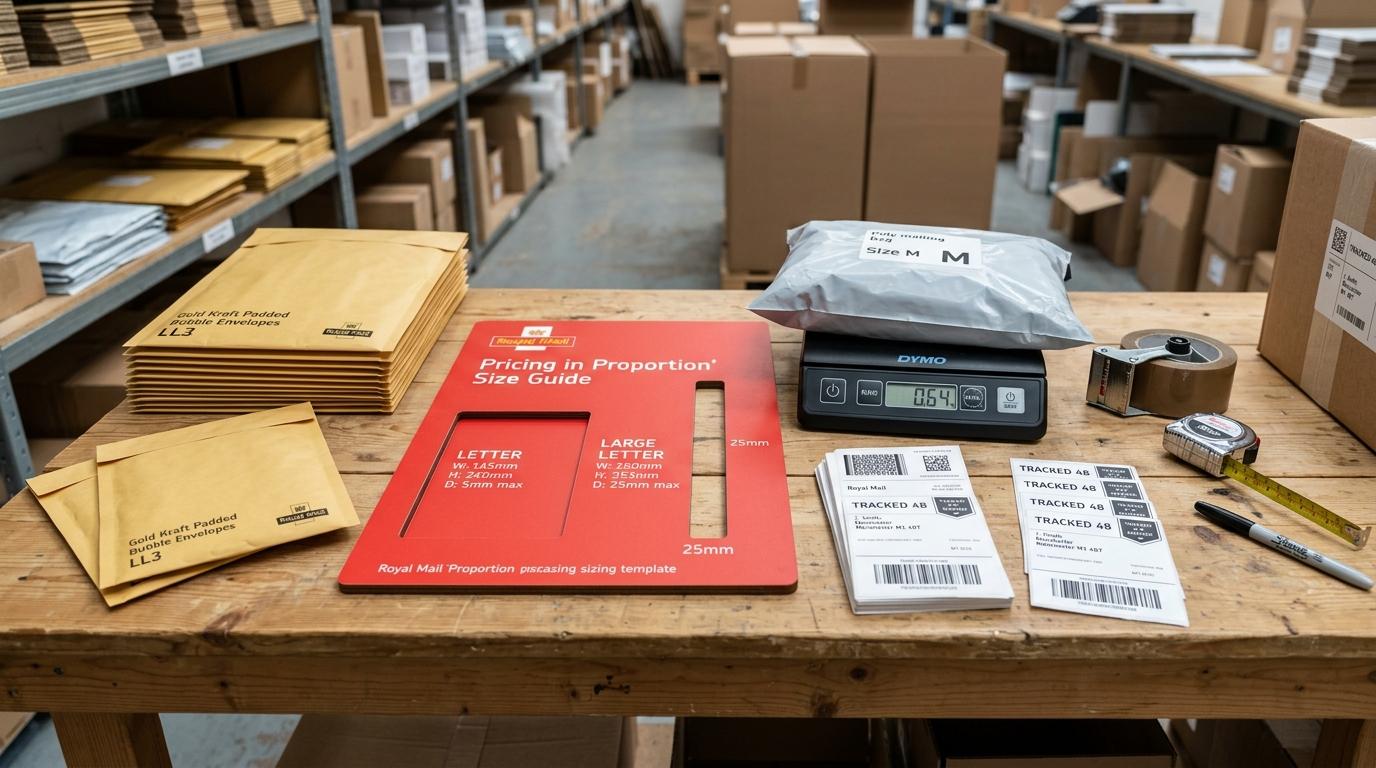
Shipping Sharp or Heavy Parts: Grip Bags and Boxes
Key Takeaway
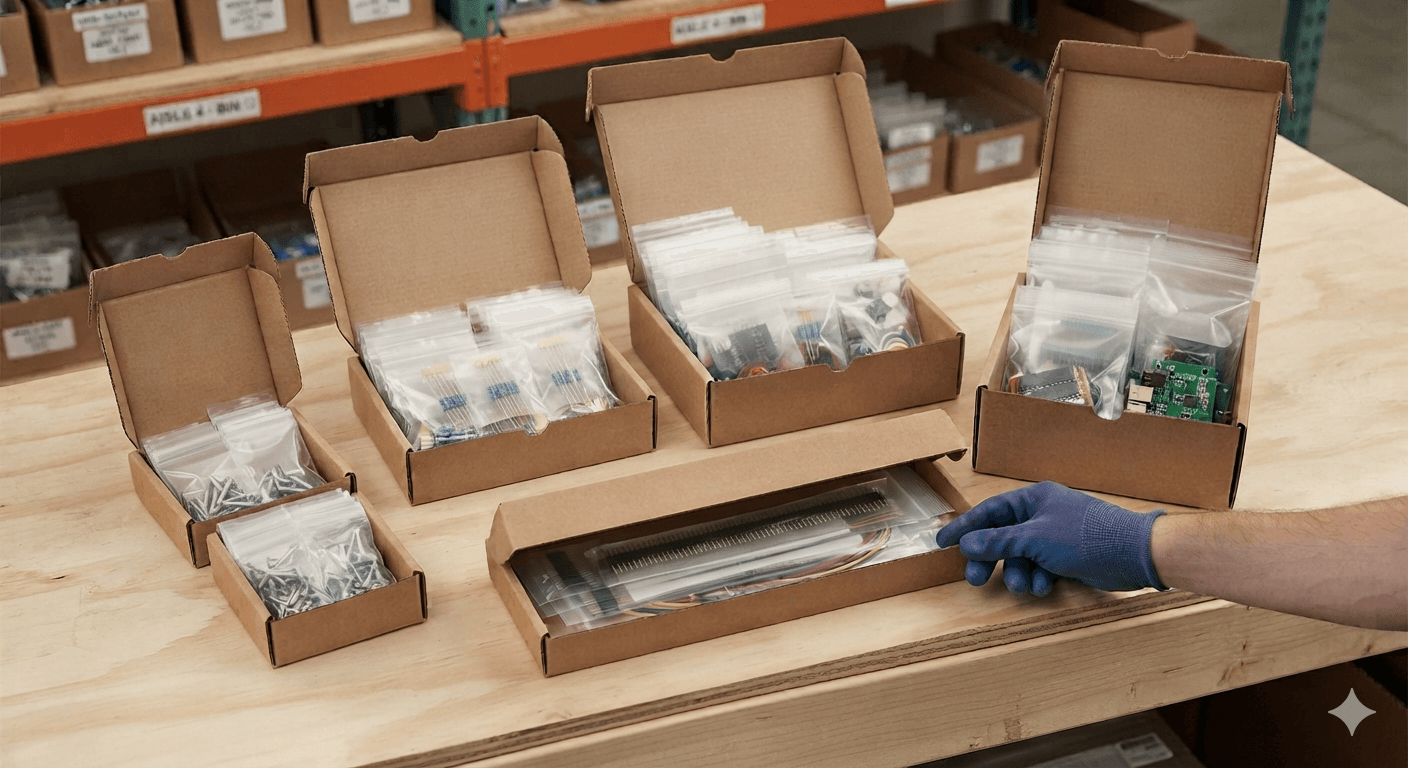
Bag sharp or heavy parts in grip seal bags before they go in the box. Parts stay together, box walls stay intact, and customers can open and reseal easily.
Loose screws, fittings and machined parts can wear or pierce a box from the inside. The usual fix, lots of tape and bubble wrap, makes the parcel hard and messy to open. A two-layer approach solves both problems.
Layer 1: a grip seal bag around the parts
Put the parts in a grip seal bag first. It keeps small parts together, contains any oil or dust, and stops sharp edges rubbing against the box. The press-to-close seal opens without scissors and can be resealed for any parts the customer does not use yet.
- Plain grip seal bags (45 micron virgin LDPE) suit most small parts.
- Write-on panel bags let you label the contents.
Layer 2: a cardboard box outside
The box gives the parcel shape and protects against knocks. Use single wall boxes for lighter orders and double wall boxes for heavy orders or pallet freight. Check the maximum load on the specification sheet on each size (tap the product picture in the range table).
Why customers prefer it
The customer opens one box, finds the parts already sorted in labelled bags, and can reseal what they do not need. No digging through layers of tape and bubble wrap.
Quick decision guide
| You are sending | Use |
|---|---|
| Screws, bolts, small fittings | Grip seal bags inside a single wall box |
| Heavy parts or large kits | Grip seal bags inside a double wall box |
| Retail kits (beads, craft parts) | Write-on grip seal bags inside a single wall box |
Ready to order packaging featured in this guide?
Explore full sizing specs, volume discount tiers, and instant pallet pricing in our live catalog matrix.
Related Technical Guides
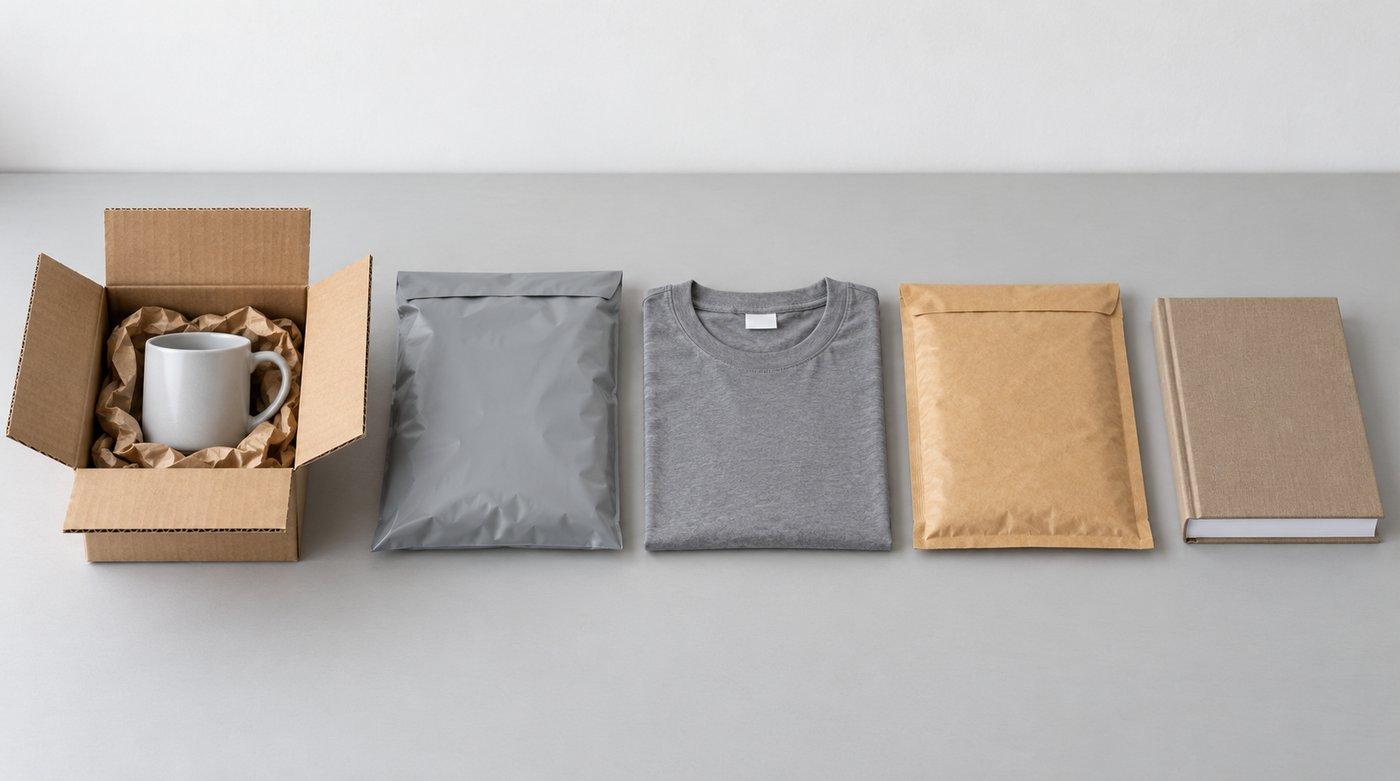
Boxes vs Mailing Bags vs Padded Bags: Which to Use
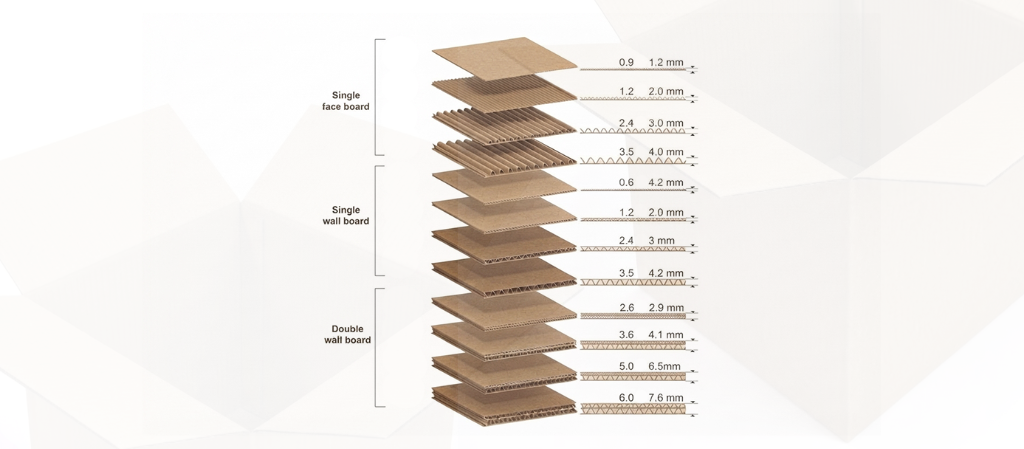
Single vs Double Wall Boxes: How to Choose
How to Ship Clothes: Mailing Bags and Grip Seal Bags